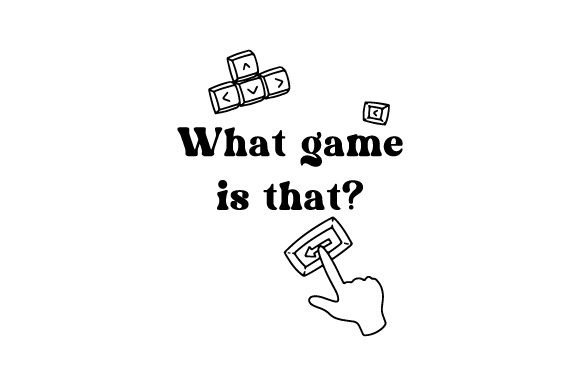
What Game is That: Video Game Crafts & Digital Assets
When I first opened What Game is That, I was looking for a design that could bridge the gap between nostalgic gaming culture and practical craft production. As someone who spends a fair amount of time testing SVG files, PNG clipart, and sublimation designs before they go into an Etsy shop or a Creative Fabrica storefront, I have learned to be picky. The first impression of this asset is that it carries a playful, slightly retro mood that appeals to buyers who appreciate video game references but want something clean enough for commercial product creation. It does not try to be overly polished or sterile, which is exactly what a handmade business or a small batch merchandise line needs to stand out in a crowded marketplace.
The visual personality of What Game is That feels approachable and bold. It leans into a style that works well for both digital download shops and physical printable products. Whether you are designing for a Cricut project, a t-shirt graphic, or a mug design, the asset has enough presence to hold its own on a product mockup. It does not feel overly feminine or masculine, which broadens the buyer audience. The design strikes a balance between decorative and functional, meaning it can serve as a focal point on a sticker design or as a supporting element in a larger layout. For a seller testing new inventory, that kind of versatility saves time and reduces the risk of a product flop.
Testing What Game is That Across Real Product Scenarios
I set up a small test run before committing to a full listing. I imported the SVG file into my Cricut Design Space and checked the cut lines. The file came through cleanly, with no stray nodes or overlapping paths that would cause the machine to skip or misalign. For anyone selling SVG designs or Cricut projects, this is a critical checkpoint. I also opened the transparent PNG in Photoshop and layered it over a few mockups: a white ceramic mug, a light tote bag, and a dark t-shirt. The contrast held up well on both light and dark backgrounds, which is not always the case with gaming-themed clipart. The EPS and DXF formats were equally clean, and the vector quality meant I could scale the design up for a large poster print without losing sharpness.
I then tested the design in a Canva template for a social media graphic. The PNG dropped in easily, and the asset sat naturally next to a bold sans serif font and a casual handwritten font. I also tried pairing it with a serif font for a more premium look, and it worked fine, though the playful nature of the design leans better toward informal typefaces. For a product listing thumbnail, I placed the asset on a solid background with a short headline, and it read clearly at thumbnail size. That is a crucial test for any digital product seller because if a design does not pop in a small preview, it will not get clicks.
Where This Asset Shines in a Digital Shop
In my experience, What Game is That performs best when used in themed bundles, decorative layouts, and merchandise graphics. It is a strong candidate for a design bundle that targets video game fans who also enjoy crafting. I can see it working well in a set of printable wall art, planner stickers, or invitation templates. The style is bold enough to feature on a t-shirt design or a mug design, but it also has enough detail to hold up in a sublimation design for a tumbler wrap or a tote bag print. When I placed it inside a product mockup for a small business branding kit, it added a fun, nostalgic touch without overwhelming the overall layout. That kind of balance is hard to find in many graphic design assets marketed toward crafters.
The asset also helps with product presentation. For Etsy listings, I try to create a consistent visual story across all images. Using What Game is That as a recurring element in my mockup previews, thumbnail images, and listing photos gave the collection a cohesive look. Buyers respond well to that kind of polish because it signals that the seller cares about quality. It also raises the perceived value of the product, which can justify a slightly higher price point. For a print-on-demand seller, that means better margins without needing to source new designs every week.
Where to Use Caution With This Design
No asset is perfect for every application, and I found a few areas where What Game is That requires careful handling. Because the design relies on a certain level of detail, shrinking it down too much for a tiny sticker or a small planner icon can cause the visual to get muddy. If you are working on a product where the print area is very small, like a lapel pin or a mini charm, this asset may not be the best choice. I also noticed that on very dark backgrounds, some of the finer lines in the design could lose definition if the contrast is not adjusted. That is easy to fix in a vector editor, but a seller who is not comfortable tweaking the file might end up with a muddled final product.
Another consideration is the cutting path for Cricut and Silhouette projects. While the SVG cut cleanly for me, I recommend testing the file on a small scrap piece of material before running a full production batch. If the design is used in a multi-layer project, the alignment of the cut lines can shift if the file is not properly grouped. For complex layouts with text and multiple elements, What Game is That works better as a standalone graphic rather than a tiny detail in a crowded composition. If you are building a text-heavy template, give the asset enough breathing room to keep the visual hierarchy clear.
Practical Seller Notes for Testing and Listing
Before you publish a listing featuring What Game is That, run it through a few real-world checks. First, test the design on a product mockup that matches your intended platform. A thumbnail that looks great on a desktop screen might feel washed out on a mobile listing. Second, check the PNG transparency by layering the file over both a white and a dark background. If you see any leftover white fringing, you may need to clean up the edges in your editing software. Third, verify the SVG cut quality by running a test cut on your Cricut or Silhouette machine. Even a small glitch in the vector path can ruin a batch of stickers or decals.
Organizing the files clearly for your customers is another step that builds trust. When I package a digital download, I include the SVG, PNG, EPS, and DXF formats in separate folders with a simple naming convention. Buyers appreciate not having to dig through a jumble of files. I also add a short instruction sheet that explains how to use the files for different projects, especially for customers who are new to Cricut projects or printable design work. That extra step reduces support messages and improves shop reviews.
On the licensing side, confirm that you have a commercial license that covers the finished products you plan to sell. Whether you are making t-shirt designs, mugs, tote bags, or digital templates, the terms of use for the asset should allow commercial production. Many creative marketplaces offer a standard commercial license with the purchase, but it is always worth reading the fine print. If you bundle What Game is That with other design assets, make sure each file has compatible licensing so you do not run into legal issues later.
Pairing the Design With Fonts and Visual Elements
When I built a few test listings around this asset, I experimented with different font pairings. A bold sans serif font gave the design a modern, clean look that worked well for t-shirt graphics and social media templates. A handwritten font added a more casual, handmade feel that fit planner stickers and greeting cards. A script font felt too formal for the playful nature of the design, but it could work in a small accent role. For a brand identity project, I would pair What Game is That with a display font that echoes the retro mood without competing for attention. The key is to let the design be the hero and keep the typography supportive.
For product mockups, I used the asset as the main visual on a white background for a clean, minimal look, and also on a soft gray background for a slightly more premium feel. The design held up well in both settings. If you are creating a design bundle for a seasonal collection, this asset could anchor a series of products that share a common theme. That kind of brand consistency helps a small business look more established and professional, even if the shop is just getting started.
Final Thoughts on Adding This Asset to Your Shop
After running What Game is That through a full testing cycle, I feel confident that it is a useful addition to a digital product lineup. It fits the Video Games category without being too niche, and it works across a wide range of Crafts applications, from SVG cut files to sublimation designs to Canva templates. The file formats are solid, the design is visually appealing, and the commercial potential is clear. As with any graphic design asset, the success of the final product depends on how well you test, preview, and present it to your customers. If you take the time to verify the cut quality, check the contrast, and organize your files, What Game is That can support a professional-looking product collection that resonates with buyers who love video game culture and handmade creativity.