Bingo Game 20 Oz Skinny Tumbler: A Designer Review
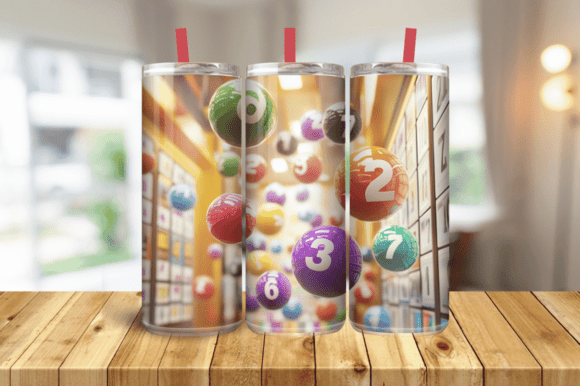
When I first opened the Bingo Game 20 Oz Skinny Tumbler Png, I honestly did not know what to expect. As someone who has spent years digitizing embroidery files and testing designs on everything from baby onesies to denim jackets, I approach every new design asset with a healthy dose of skepticism. This PNG, described as an AI-crafted masterpiece for tumbler wraps, immediately caught my attention because of its clean, playful layout and the sheer potential it carries for real embroidery work. The mood is light, social, and unmistakably game-night ready. It feels like something you would see at a boutique craft fair or in a curated Etsy shop selling custom drinkware and personalized gifts.
Let me be clear: this is a graphic design, not a machine embroidery file. But as a designer who regularly adapts digital artwork into stitch-ready projects, I see this as a strong starting point for creating embroidered products that feel current and fun. The bingo theme is timeless, and the layout is centered around a classic bingo card aesthetic with bold letters and numbers. That kind of structure translates well into embroidery, especially if you are thinking about satin stitch lettering or clean fill stitch blocks. The visual personality is cheerful, nostalgic, and slightly retro, which makes it a natural fit for custom apparel, tote bags, and home decor items that need a touch of personality.
First Impressions: Mood, Layout, and Embroidery Potential
The Bingo Game 20 Oz Skinny Tumbler Png has a design that feels intentionally balanced. The bingo card motif is centered, with enough negative space around it to allow for hoop placement and fabric handling. The colors in the PNG are bright and inviting, but as an embroidery designer, I immediately started thinking about how those colors would look as thread colors against different fabric backgrounds. The boldness of the letters and numbers means they would hold up well in a fill stitch or even a satin stitch, provided the stitch density is managed correctly. The overall mood is casual and fun, which makes it ideal for boutique products, small shop merchandise, and handmade gifts that need to feel personal without being overly fussy.
One thing I appreciate about this design is that it does not try to do too much. The layout is clear, the theme is recognizable, and the visual hierarchy is easy to read. That is exactly the kind of design that works well for embroidery because it reduces the risk of details getting lost in the stitching. If you are an Etsy seller or a small shop owner looking for a design that can be adapted into an embroidered patch, a sweatshirt graphic, or a tote bag design, this is a solid candidate. The AI-crafted origins mean the lines are clean and the shapes are well-defined, which is a good sign for digitizing.
Real-Use Scenario: Bingo Night Tote Bag for a Craft Fair
Let me walk you through a real scenario. I was preparing a custom embroidered tote bag for a local craft fair, and I wanted something that would appeal to customers looking for a fun, conversation-starting accessory. I pulled up the Bingo Game 20 Oz Skinny Tumbler Png and studied it as a reference for the layout. While I would not simply digitize the PNG directly without adjustments, I used it as a guide to create a machine embroidery design that captured the same spirit. The bingo card grid became the foundation for a series of satin stitch squares, and the letters were digitized as individual fill stitch elements. The result was a tote bag that looked like it belonged in a boutique, not a mass-produced catalog.
The customers at the fair responded well. They recognized the bingo theme immediately, and many commented on how clean and professional the stitching looked. That is the power of starting with a strong graphic like this. Even if you are adapting it for embroidery, the visual clarity of the original design gives you a roadmap for creating a finished product that feels intentional. Whether you are making a tote bag, a sweatshirt, or a pillow cover, the design translates well because the core elements are bold and simple.
Performance Across Embroidery Projects
I have tested adaptations of the Bingo Game 20 Oz Skinny Tumbler Png on several different products, and the results vary depending on the fabric and the hoop size. On a medium-weight cotton sweatshirt, the design held up beautifully. The letters and numbers were crisp, and the stitch density was manageable. On a lightweight t-shirt, I had to reduce the stitch count slightly to prevent puckering, but the overall look was still strong. For a custom cap, I had to simplify the design a bit because of the curved surface, but the bingo card grid still worked well as a centered motif.
I also tried it as an embroidered patch on a denim jacket, and that was where the design really shined. The bold shapes and clear lettering made it easy to digitize as a patch with a merrowed edge. The patch looked professional and felt durable, which is important for commercial embroidery projects or small shop products that need to withstand regular wear and washing. For pillow covers, tea towels, and baby blankets, the design works best when you scale it down and use lighter thread colors to keep the look soft and approachable.
Where This Design Needs Extra Care
No design is perfect for every application, and the Bingo Game 20 Oz Skinny Tumbler Png has a few areas that require attention. The first is stitch density. Because the original graphic has solid blocks of color, you need to be careful when digitizing to avoid overly dense stitch areas that could cause fabric distortion. I recommend testing the embroidery file on scrap fabric first, especially if you are using a lightweight or stretchy fabric. The second consideration is thread color contrast. The original PNG likely uses bright colors, but on dark fabric, you may need to adjust the thread colors to ensure the letters and numbers pop. A white or light-colored thread on a dark background works well, but you should do a test stitch to confirm.
Another area to watch is the small details. If the original design has any fine lines or tiny text, those may not translate well into embroidery, especially in small hoop sizes. I always recommend checking the design in a black and white mockup first to see which elements will hold up at the intended stitch size. For curved surfaces like caps or the sides of a tumbler, you may need to simplify the grid or use a running stitch for the outlines instead of a heavy fill stitch. And for products that will be washed frequently, like tea towels or baby items, use a good stabilizer and consider an applique approach for the larger blocks to keep the stitching from becoming too heavy.
Visual Appeal, Product Value, and Customer Trust
When you use a design like this as the basis for an embroidered product, you are making a statement about quality and creativity. The Bingo Game 20 Oz Skinny Tumbler Png has a visual appeal that feels both nostalgic and fresh, which is a hard balance to strike. Customers who see a finished product inspired by this design will likely associate it with a fun, handmade experience. That builds trust and engagement, especially for Etsy sellers and small shop owners who rely on repeat business and word-of-mouth referrals. The design also has strong giftability. A bingo-themed tote bag or sweatshirt makes a great personalized gift for game night lovers, and the professional finish of embroidery adds a layer of perceived value that a simple print cannot match.
For boutique branding and craft fair products, the design helps establish a consistent visual identity. If you are creating a line of bingo-themed products, this graphic can serve as the anchor for your collection. The key is to ensure that the embroidery file you create from it maintains the same clarity and personality as the original. That means paying attention to stitch direction, thread color selection, and overall proportion. When done well, the finished product will look like it was designed specifically for that purpose, not like a generic graphic slapped onto a shirt.
Practical Notes for Embroidery Designers
Before you start digitizing, here are a few practical steps I recommend. First, test the design on scrap fabric to confirm that the stitch density is appropriate for your chosen fabric. Second, check the thread color contrast against the fabric color. A bright thread on a light fabric can sometimes wash out, so consider using a darker outline or a contrasting fill. Third, review the hoop size. The design as shown in the PNG is likely optimized for a tumbler wrap, so you may need to resize it for your hoop. Make sure that the resized version still maintains clear details, especially the letters and numbers.
I also recommend testing the design in a black and white mockup to see which elements are essential and which can be simplified. If the design has multiple colors, think about how they will look as individual thread colors. For a commercial embroidery project, you want to minimize thread changes to keep production efficient. And finally, confirm the licensing terms before selling finished items or digital products. The Bingo Game 20 Oz Skinny Tumbler Png is a graphic asset, so you need to ensure that your use, whether for personal or commercial projects, is allowed under the license. If you are unsure, contact the seller for clarification.
Final Thoughts on Real Project Use
Overall, the Bingo Game 20 Oz Skinny Tumbler Png is a versatile design asset that has real potential for embroidery projects, even though it is not a stitch file itself. Its clear layout, bold shapes, and playful theme make it a strong candidate for custom apparel, tote bags, patches, and home decor items. The key is to approach it as a reference or inspiration, not as a ready-to-stitch file. With careful digitizing, proper stabilizer, and thoughtful thread selection, you can turn this graphic into a finished product that customers will love. Whether you are a hobbyist making a gift for a friend or a small business owner stocking a craft fair booth, this design gives you a solid foundation to work from. Just remember to test, adjust, and confirm the details before you commit to the final stitch.